


The grieving process: stages and coping strategies
Grief is a profoundly human experience that everyone goes through at some point in their lives.
The Stages of Grief
- Denial During this stage, mourners often have difficulty accepting the loss. The reality of death seems unreal, and many people try to push the pain aside. This stage can serve as a kind of defense mechanism that allows us to process the shock of a loss more gradually.
- Anger is a natural reaction to a loss. In this stage, many ask themselves, “Why did this happen?” or “Why me?” The anger may be directed at oneself, others, or even the deceased. It is important to acknowledge these emotions and make space for them without letting them overwhelm you.
- Bargaining In this stage, many people try to avoid the reality of the loss through “bargaining.” This is an attempt to gain some control over the situation. Thoughts such as “If only I had…” or “If I had done this or that…” may arise.
- Depression The depression phase is characterized by deep sadness and feelings of hopelessness. The bereaved person recognizes the finality of the loss and begins to feel its emotional impact. During this phase, it is especially important to actively seek support and not allow grief to isolate you.
- Acceptance The acceptance phase does not mean that the grief is “over,” but rather that the bereaved person has accepted and integrated the loss as part of their life. It becomes possible to move forward without constantly denying the pain. In this phase, the bereaved person begins to look ahead again and see the world with new eyes.
Coping Strategies for the Grieving Process
- Take your time There is no set timeframe for grief. Everyone grieves differently, and it’s important to take the time you need to process the loss. Don’t pressure yourself to “get over it quickly.” Give yourself permission to grieve whenever and for as long as you need to.
- Allow yourself to feel your emotions Suppressed feelings can prolong the grieving process and lead to emotional or physical problems. Allow yourself to feel your emotions, even if they are uncomfortable. Crying, anger, and frustration are normal reactions to a loss.
- Seek support It can be helpful to talk about the loss with friends, family members, or a therapist. There are support groups where people share their experiences and support one another. Connecting with others who have experienced similar losses can offer comfort and reduce feelings of isolation.
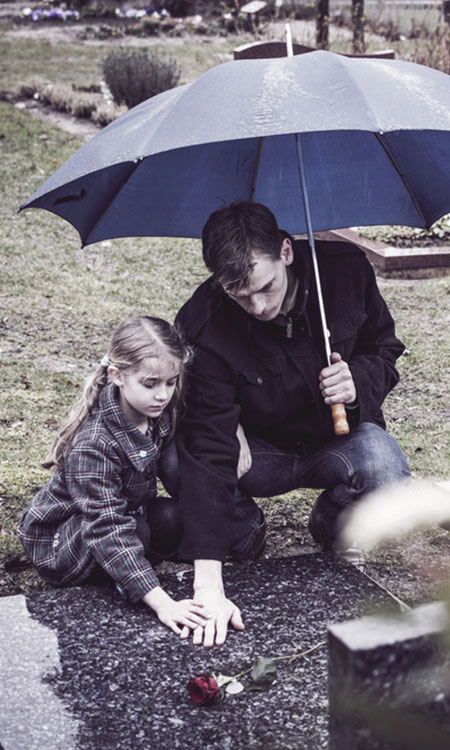
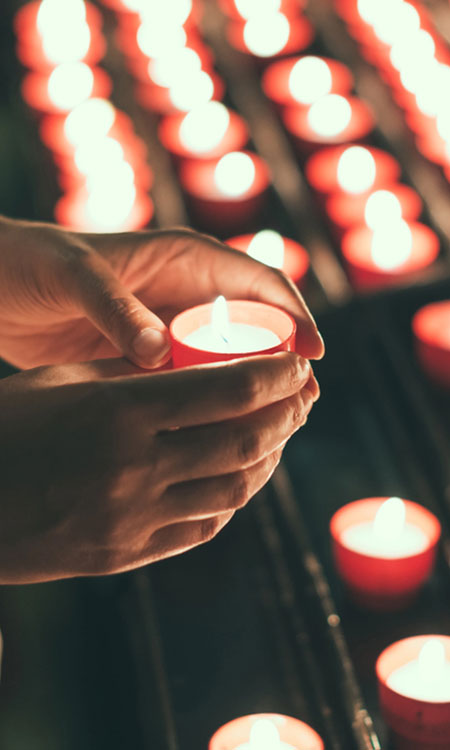
- Maintain rituals Rituals such as lighting a candle, visiting the grave, or creating a memorial book can help you process the loss. Such rituals provide a safe space to remember the deceased and channel grief in a constructive way.
- Maintain healthy habits During times of grief, it’s easy to neglect self-care. Make sure to eat a healthy diet, get regular sleep, and stay physically active. Exercise, even in the form of walks, can help clear the mind and process emotions more effectively.
- Seek professional help If grief becomes overwhelming and interferes with daily life, it is advisable to seek professional help. Grief counseling or psychotherapeutic support can also help you process the loss and develop healthy coping mechanisms.
Conclusion: Show respect and compassion
The grieving process is always personal and can unfold in different stages, which each person experiences differently. Coping strategies such as allowing emotions to surface, maintaining rituals, and seeking support can help us deal with the loss and eventually reach a place of acceptance. Even though grief never completely disappears, it is possible to find ways to live with the pain and find new hope.
By taking time for our grief and applying the right strategies, we can move through the painful stages and eventually find a new inner balance. Grief is a natural process—but there are ways we can navigate it and emerge stronger.
Verwandte Beiträge
From ashes to light: Don Lanfranco Casali’s Memorial Diamond has …
Eternal Love: The Taj Mahal – A Monument to the …
The Significance of Funeral Rituals The Significance of Funeral Rituals …
The Cult of the Dead in Ghana: Coffin Art as …