

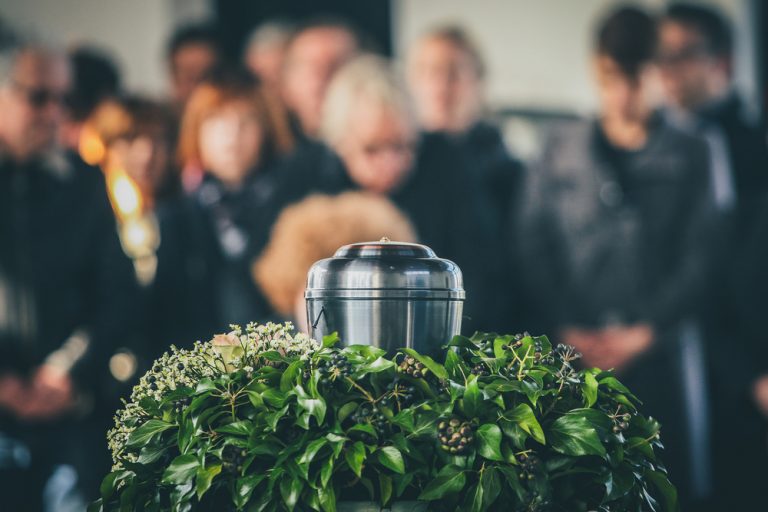
The Significance of Funeral Rituals
The Significance of Funeral Rituals in Different Cultures Around the World
Funeral rituals are a central part of human culture and reflect the ways in which societies deal with death, loss, and grief. These rituals not only help the bereaved say goodbye, but they also provide a meaningful framework for honoring the life of the deceased. In this article, we explore the significance of funeral rituals in various cultures around the world and how these rituals influence the grieving process.
Why are funeral rituals important?
Funeral rituals are deeply rooted in a culture’s religious, spiritual, and social traditions. They help mourners process their grief by providing structure and support in their lives. Through rituals, death can be accepted as a part of life. Furthermore, these rituals ease the transition for the bereaved to a life without the deceased and offer an opportunity to say goodbye together with family and friends.
Another important aspect of funeral rituals is that they honor the deceased and celebrate his or her life. In many cultures, death is not the end, but the beginning of a new journey—whether to an afterlife, rebirth, or the eternal cycle of life.
Funeral rituals in different cultures around the world
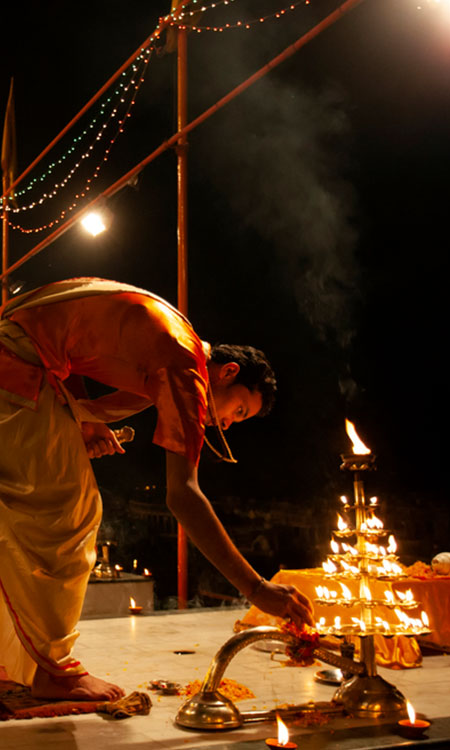
1. Hindu Funerals (India)
In the Hindu tradition, death is a natural part of the cycle of life, death, and rebirth. After death, the body of the deceased is usually cremated as soon as possible, as this is considered an important ritual for liberating the soul and paving the way to the next life. The ashes are often scattered in sacred rivers such as the Ganges to purify the soul. During the mourning period, the bereaved follow strict rituals to honor the spirit of the deceased and help them transition to their next existence.
2. Tibetan Sky Burial
One of the most unique funeral rituals is the Tibetan sky burial. In this tradition, the body of the deceased is left on a mountain or an elevated area to be consumed by birds of prey. This custom has deep spiritual significance, as the body is viewed as a transient shell that serves no purpose after death. The sky burial symbolizes the body’s return to the natural cycle and is closely linked to the Buddhist belief in rebirth and compassion for all living beings.
3. Christian Funerals
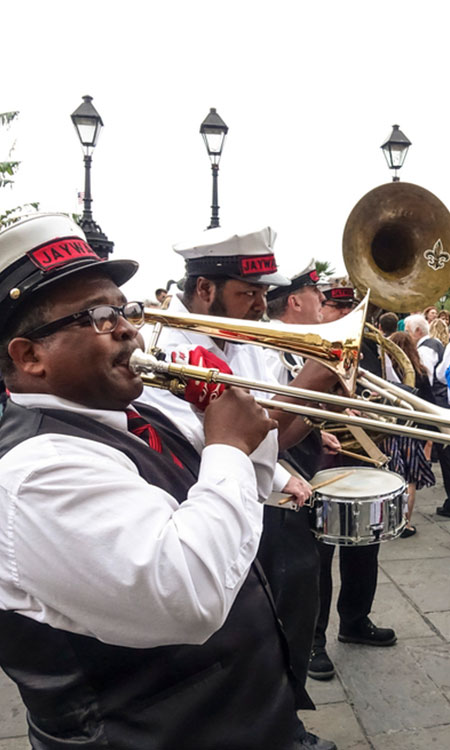
Christian funeral rituals vary by denomination, but the basic elements often remain the same. The deceased are either buried in a coffin or cremated, followed by a funeral service during which prayers are said and hymns are sung. Belief in the resurrection plays a central role in Christian funeral rites, as the bereaved find comfort in the idea that the deceased will enter into eternal life after death.
4. Islamic Funeral Rites
One of the most unique funeral rituals is the Tibetan sky burial. In this tradition, the body of the deceased is left on a mountain or an elevated area to be consumed by birds of prey. This custom has deep spiritual significance, as the body is viewed as a transient shell that serves no purpose after death. The sky burial symbolizes the body’s return to the natural cycle and is closely linked to the Buddhist belief in rebirth and compassion for all living beings.
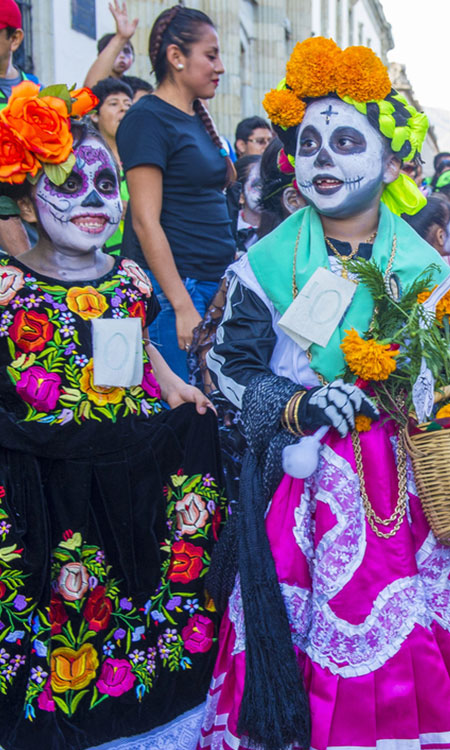
5. Mexican “Día de los Muertos” (Day of the Dead)
In Mexico, “Día de los Muertos” is one of the best-known funeral rituals. It is a festive holiday during which the souls of the deceased are honored. Families decorate altars with photos, candles, and the deceased’s favorite foods to welcome their spirits. This celebration is not viewed as a sad occasion, but rather as an opportunity to celebrate life and keep the memory of the deceased alive. It is a ritual that strengthens the connection between the living and the dead and accepts death as an integral part of life.
6. Japanese Funerals (Buddhism & Shintoism)
In Japan, most of the deceased are cremated according to Buddhist or Shinto traditions. The ashes of the deceased are placed in an urn, which is often kept in a family grave at a cemetery. Buddhist and Shinto funeral ceremonies include prayers, incense, and the recitation of Buddhist scriptures to prepare the deceased for their next journey. The anniversaries of the burial are particularly important, as the family honors the deceased through prayers and rituals.
7. African Funeral Rituals
In many African cultures, funeral rituals hold deep spiritual significance. Death is often viewed as a transition into the realm of the ancestors, and it is believed that the dead continue to influence the lives of the living. In some traditions, such as among the Akan people of Ghana, the deceased is buried in elaborately decorated coffins that symbolize their life and profession. The mourning period can last several weeks and includes elaborate rituals and ceremonies that honor the life and legacy of the deceased.
The Role of Funeral Rituals in the Grieving Process
Funeral rituals play a vital role in the grieving process. They offer the bereaved an opportunity to say goodbye and to accept death as a part of life. These rituals create space for grief, but also for healing and reconnection with the living. By collectively coming to terms with the loss of a loved one, family members often find comfort and support in their community or their faith.
Conclusion: Show respect and compassion
Funeral rituals vary from culture to culture, but they all share the common goal of honoring the deceased and providing the bereaved with a way to cope with their loss. Whether through religious ceremonies, spiritual rites, or commemorative events, every funeral ritual reflects deeply rooted traditions and beliefs. Through these rituals, death is understood as part of the natural cycle of life, and grief is given a framework that allows the bereaved to find comfort and healing.
Verwandte Beiträge
From ashes to light: Don Lanfranco Casali’s Memorial Diamond has …
Eternal Love: The Taj Mahal – A Monument to the …
The Cult of the Dead in Ghana: Coffin Art as …
The grieving process: stages and coping strategies Grief is a …